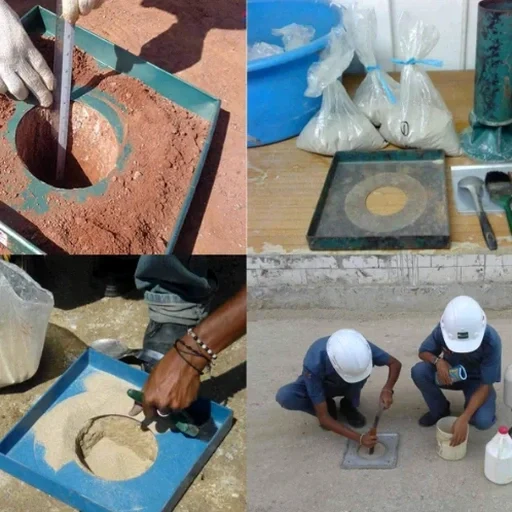
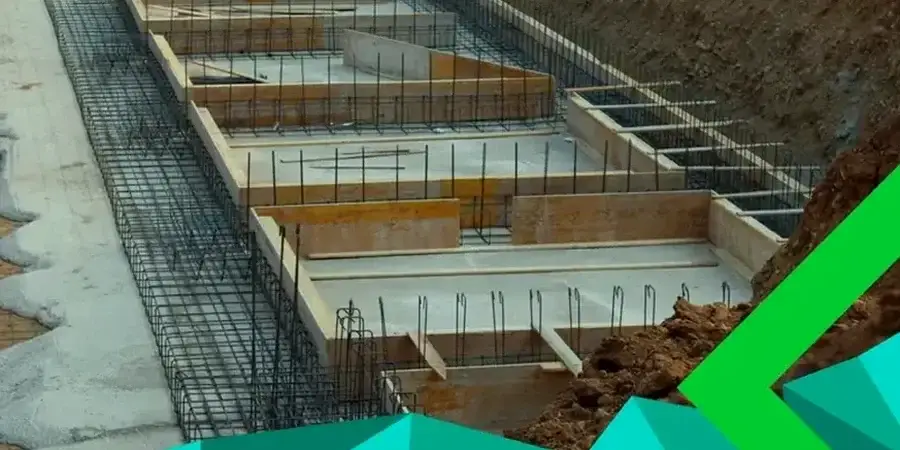
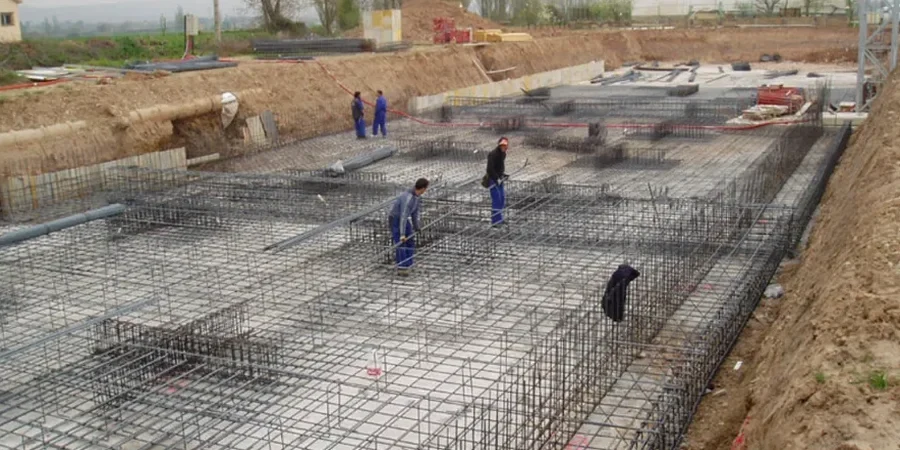
The ground beneath Great Connell on the east side of Newbridge is nothing like what you hit out toward Curragh Farm on the limestone upland. Over by the Liffey, the profile tends to be soft alluvium draped over gravel lenses, while closer to the town centre you are straight into stiff grey-brown boulder clay that can hold a decent bearing pressure but gets sticky fast after a wet winter. That contrast means shallow foundation design around here cannot be copied from a generic table; it has to be worked out borehole by borehole. We run the site investigation, pull the samples back to our INAB-accredited lab, and produce the bearing capacity figures that actually reflect the stratigraphy under your footprint. On more variable plots we often combine the investigation with a plate load test to verify the modulus right at formation level before the blinding goes down.
Boulder clay in Newbridge can look stiff in the excavator bucket but still consolidate more than you expect under sustained load — that is why we run the oedometer every time.