GEOTECHNICAL ENGINEERING
NEWBRIDGE
HomeSeismicBase isolation seismic design

Base Isolation Seismic Design in Newbridge

Knowledgeable. Thorough. Resourceful.

LEARN MORE

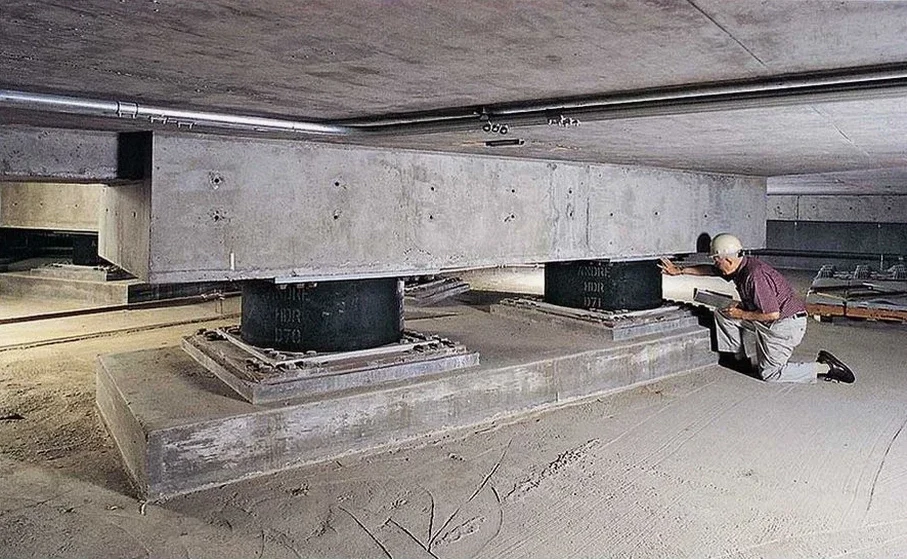
Newbridge grew fast after the military barracks were built in the early 1800s. The town sits on a mix of glacial till over Carboniferous limestone, which varies sharply across short distances. This patchwork subsoil creates real challenges for seismic design. A standard foundation on one plot behaves differently from a site two streets away. Base isolation seismic design cuts through that uncertainty. It decouples the structure from ground motion, so the variable till and bedrock pockets don't dictate performance. We run site-specific ground investigations and feed the data into isolation system selection. The Liffey floodplain deposits near the river add another layer of complexity, and the seismic microzonation work we do informs isolator placement directly.

Isolation shifts the design problem from the structure to the ground. Get the soil dynamics right and the rest follows.
Our service areas

How we work

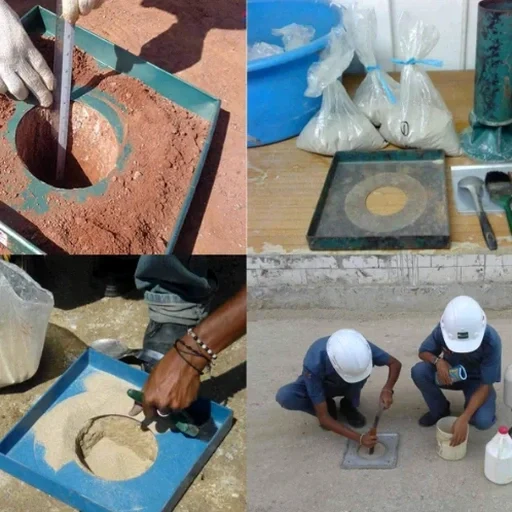
The contrast between the Great Connell area and the town centre is stark. Great Connell sits on thicker drift with higher moisture, while the centre rests on shallow limestone bedrock. A base isolation seismic design scheme for a school near Great Connell must handle longer-period ground motion, whereas a town centre apartment block deals with short, sharp acceleration peaks. We test borehole samples for shear wave velocity and plasticity index. Then we model the isolator response using Eurocode 8 Part 1 and IS EN 15129. High-damping rubber bearings or friction pendulum systems are selected based on the subsoil profile, not a generic catalogue. Our lab runs dynamic triaxial tests on the till to confirm stiffness degradation curves. Every parameter ties back to a measured soil property.
Base Isolation Seismic Design in Newbridge
Technical reference — Newbridge

Local considerations

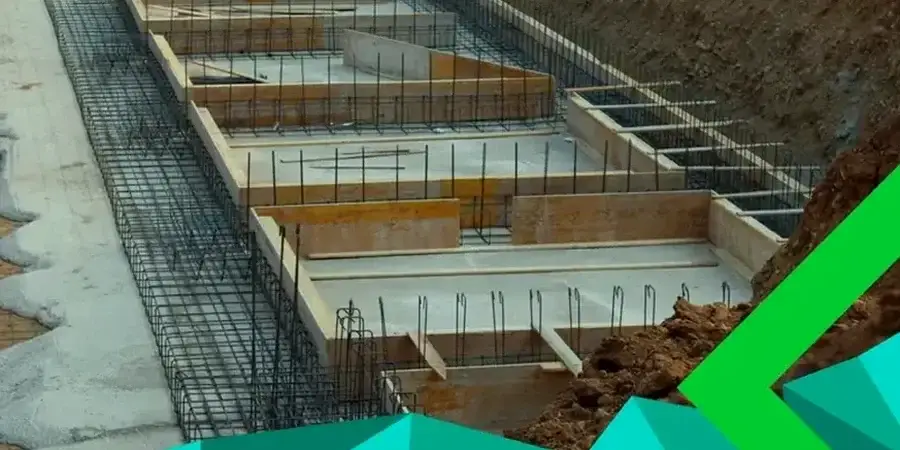
A four-storey medical centre on Station Road hit a snag during piling. The upper till was loose and saturated, and the limestone bedrock dipped sharply from west to east. Fixed-base design would have concentrated drift on the east columns. We proposed base isolation seismic design with lead rubber bearings placed on a rigid mat. The mat bridged the variable bedrock and the isolators absorbed differential settlement and seismic drift. Without isolation, the client faced a full piled solution with deep rock sockets and a stiff transfer structure. The isolation scheme saved months on the programme and kept the architectural layout intact. Newbridge has pockets of buried limestone pinnacles that make uniform foundation support nearly impossible.

Need a geotechnical assessment?

Reply within 24h.

Email: contact@geotechnical-engineering.co

Applicable standards

IS EN 1998-1:2005 (Eurocode 8 Part 1 – Seismic design), IS EN 15129:2018 (Anti-seismic devices), IS EN 1997-1:2004 (Eurocode 7 – Geotechnical design)

Technical data

ParameterTypical value
Design ground acceleration (agR)0.07–0.10 g per Irish National Annex
Soil factor S1.0–1.4 depending on ground type B/C
Isolator displacement capacity (dcd)200–400 mm per IS EN 15129
Effective damping ratio10–30% for HDRB systems
Shear wave velocity Vs30250–600 m/s across Newbridge profiles
Plasticity index of glacial till8–22% from local boreholes
Undrained shear strength (cu)60–180 kPa in upper till layer

Common questions

What does base isolation seismic design cost for a Newbridge project?

For a mid-size building in Newbridge, the base isolation seismic design package including ground investigation, system selection, and installation supervision typically runs between €3,830 and €6,950. The final cost depends on the number of isolators and the complexity of the subsoil profile.

Which ground conditions in Newbridge suit base isolation?

The glacial till and limestone mix across Newbridge creates variable stiffness. Base isolation works well here because it smooths out differential ground motion. Sites near the Liffey floodplain with softer deposits also benefit from the period shift that isolation provides.

Which Irish standards apply to seismic isolators?

We follow IS EN 15129 for the isolator devices themselves and IS EN 1998-1 (Eurocode 8) for the overall seismic design. The Irish National Annex defines the ground acceleration values we use for Newbridge.

Location and service area

We serve projects in Newbridge and surrounding areas.

View larger map