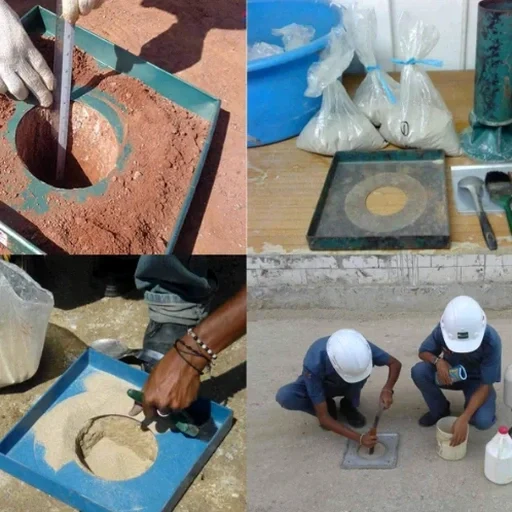
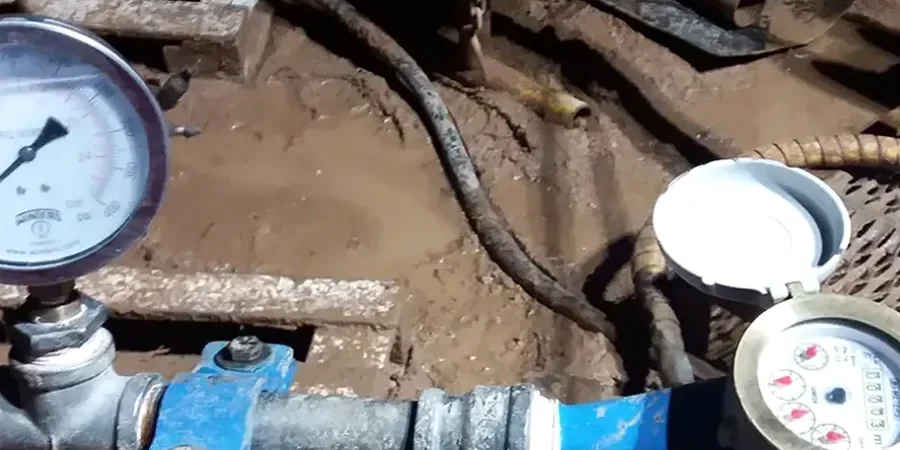
In Newbridge, the glacial till deposits overlying limestone bedrock create a two-tier drainage system that standard lab tests often misrepresent. A test pit might reveal perched water at the interface, but quantifying flow requires pumping water directly into the formation. The Lefranc test measures hydraulic conductivity in soil horizons beneath the water table, while the Lugeon method evaluates rock mass fracture connectivity in the underlying Carboniferous limestone. Our technical team runs these in-situ permeability assessments at variable head and constant head, depending on the formation response. Every test records pressure, flow, and recovery data in real time, so the engineer gets a true permeability coefficient rather than a remoulded sample estimate. For Newbridge sites near the River Liffey floodplain, where groundwater fluctuates seasonally, this distinction proves essential for designing effective dewatering systems and assessing infiltration capacity for SuDS compliance.
A single Lugeon test in fissured Waulsortian limestone can reveal a permeability contrast of two orders of magnitude across a 5-metre packer interval.